The Boundary Is Part of the Game
A sports boundary changes the usable playing area without changing the aim. Learn how to read its placement and adjust options during play.
A sports boundary changes the usable playing area, even when the aim of the game stays exactly the same. A painted line, touchline or marked arc tells players where an action remains live, but its position also alters the routes, angles and decisions available before the ball reaches it.
That makes the boundary more than a referee’s reference point. It is part of the space players must read: a teammate near a sideline has fewer directions to move, while a defender can use that restriction to narrow the next choice. Learning to notice these effects takes less than a new formation; it takes deliberate attention to where the usable space begins and ends.
Boundary placement changes the shape of available space
The boundary defines the outside edge of the playing area, but its effect depends on the action. In football, a player receiving near the touchline can turn towards the centre or continue along the line, but cannot move further out and stay in play. In basketball, a player close to the sideline has limited room to pivot or pass around a defender. In both cases, the line removes options before the ball crosses it.
Different markings can make this more subtle. A boundary may include a line that counts as part of the playing area, while a nearby arc or box may apply only to a particular rule. The visible paint can therefore describe several kinds of space at once: the live area, a restricted zone and a reference point for a decision. Knowing which line matters in a given situation is part of reading the game, not a clerical task reserved for officials.
Placement also changes the balance between central and outer routes. A wide pass may stretch opponents towards the edge, opening a lane elsewhere. A short pass near the boundary can be useful because it gives a teammate a clear reference for orientation, but it can also leave that player with fewer escape routes. The line does not dictate which choice is right; it changes the cost of each choice.
Use one week to build a boundary-reading routine
A short weekly routine can make boundary awareness more deliberate without turning practice into a lecture about paint. Keep the focus on noticing how the edge changes the next available action, rather than simply asking players to stay inside it.
- Early in the week, identify the lines that govern play. Walk the playing area and name the live boundary, any marked zones and the places where a restart follows an exit. If a marking is unclear, check the competition rules or ask the organiser before building practice around an assumption.
- At the next session, observe where choices narrow. During a familiar drill, notice when a player receives close to an edge. Ask what options remain: turn infield, pass back, continue along the line or release the ball. Keep the discussion brief enough that play can continue.
- Later in the week, practise using the edge as a reference. In a routine passing exercise, encourage players to check their position in relation to the boundary before receiving. The aim is not to avoid the edge, but to arrive with a clear idea of where a turn or pass can go.
- In the next game, watch the opponent’s positioning. Notice whether a defender uses the line to make one route less attractive. If a player is being steered wide, look for a supporting option inside rather than treating the sideline as a trap with no answer.
- After play, review one boundary-related decision. Choose a moment when a player had little room and ask what changed the choice. If the answer is unclear, use that observation to shape the next session rather than adding a general instruction to “be aware”.
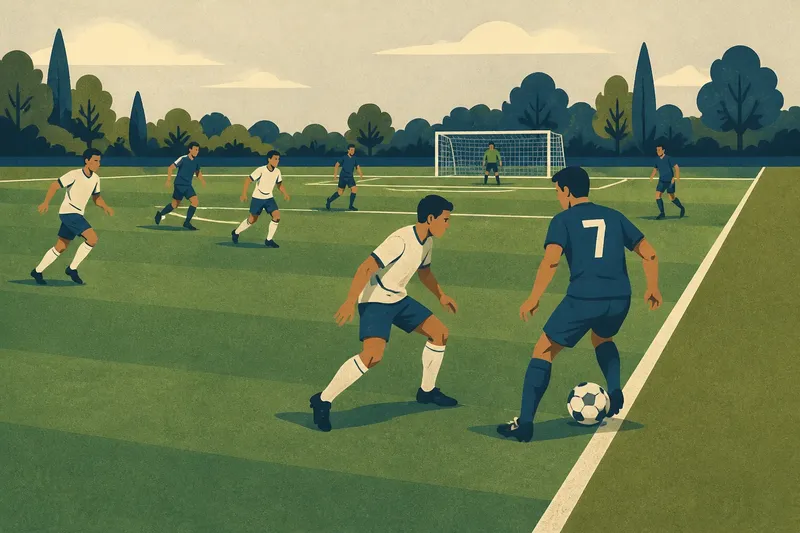
Say you play a small-sided football game and a winger receives near the touchline with a defender closing from inside. If the winger checks the line before the pass arrives, they can choose to protect the ball and return it to a teammate, or use a first touch towards the centre if that space is open. The expected observable result is a more deliberate next action, not a promise that one route will beat the defender.
Use the edge without treating it as a dead end
The boundary can help a player orient their body and simplify a decision. With the line on one side, attention can concentrate on the remaining routes. That can be useful for a receiver who needs to shield the ball or for a defender trying to channel an opponent away from a dangerous central area.
But an edge is not automatically safe or useful. A player who gets too close may leave little room to control a pass, while a defender who closes recklessly can be bypassed by a simple pass back or inside. The practical question is not “Should we use the boundary?” It is “What does this position make easier, and what does it take away?”
Support matters here. A teammate positioned inside can give a player near the edge a route away from pressure; a teammate standing on the same line may offer little new space. The right support angle depends on the sport and the rules, but the underlying task is the same: offer a next action that does not lead straight into the boundary.
How should players read the boundary?
Does the boundary change the aim of the game?
No. It defines where play can happen and may determine when possession, a point or a restart follows, but the basic aim remains the same. Its influence comes from changing which routes are available while pursuing that aim.
Is playing near the line always a disadvantage?
No. The line can limit a player’s movement, but it can also provide a useful reference and help direct an opponent’s approach. The position becomes difficult when a player has no nearby support or has not prepared a next action.
Why do defenders guide opponents towards an edge?
An edge removes one direction of movement, so a defender may find it easier to reduce the opponent’s options there. That tactic still depends on covering the remaining routes and avoiding an over-committed challenge.
Which marking counts as the boundary?
It depends on the sport and the applicable rules. A line may count as part of the playing area, while other markings nearby may define a zone or a restart position rather than an outer edge.
Keep boundary awareness specific to the sport
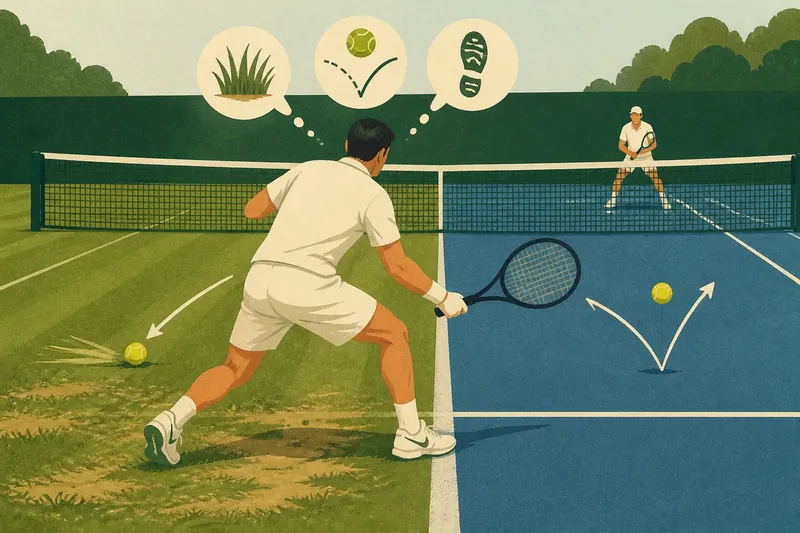
Boundary awareness is not a universal instruction to stay wide, cut inside or avoid the edges. Those choices depend on the rules, the number of players, the direction of pressure and the available support. A futsal touchline, a tennis sideline and a basketball baseline each shape play differently because the playable space and consequences of leaving it differ.
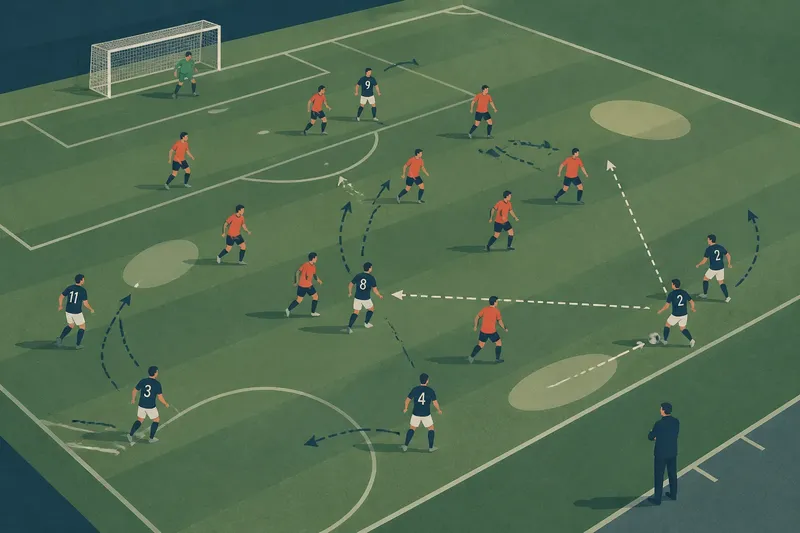
For that reason, use the actual markings and situations players encounter. A coach can pause a familiar drill near an edge and ask one precise question: which route has disappeared, and which route remains? A player watching a match can make the same observation without needing a tactical diagram. The answer should point to a real option, not a slogan.
The boundary is easiest to use when players treat it as information rather than as an obstacle. Notice where it sits, identify what it removes and keep a second route available. That small habit makes the line part of the decision, while the game itself carries on toward its original aim.